Related Articles
- How Experimental MBA Concentrations Quietly Influence Corporate Culture and Decision-Making Strategies
- Top 5 Niche MBA Concentrations Gaining Momentum Since 2019 Ranked by Industry Impact and Growth
- Top 5 Smart Notebooks Released Since 2019 to Revolutionize Your MBA Networking Note-Taking and Follow-Up System
- The Untapped Role of Introversion in Building Stronger MBA Peer Networks and Authentic Industry Bonds
- How MBA Graduates Navigate Ethical Dilemmas in Emerging Markets to Influence Policy and Practice
- 7 Most Disruptive Productivity Platforms From MBA Alumni Launches Changing How Leaders Work Since 2019
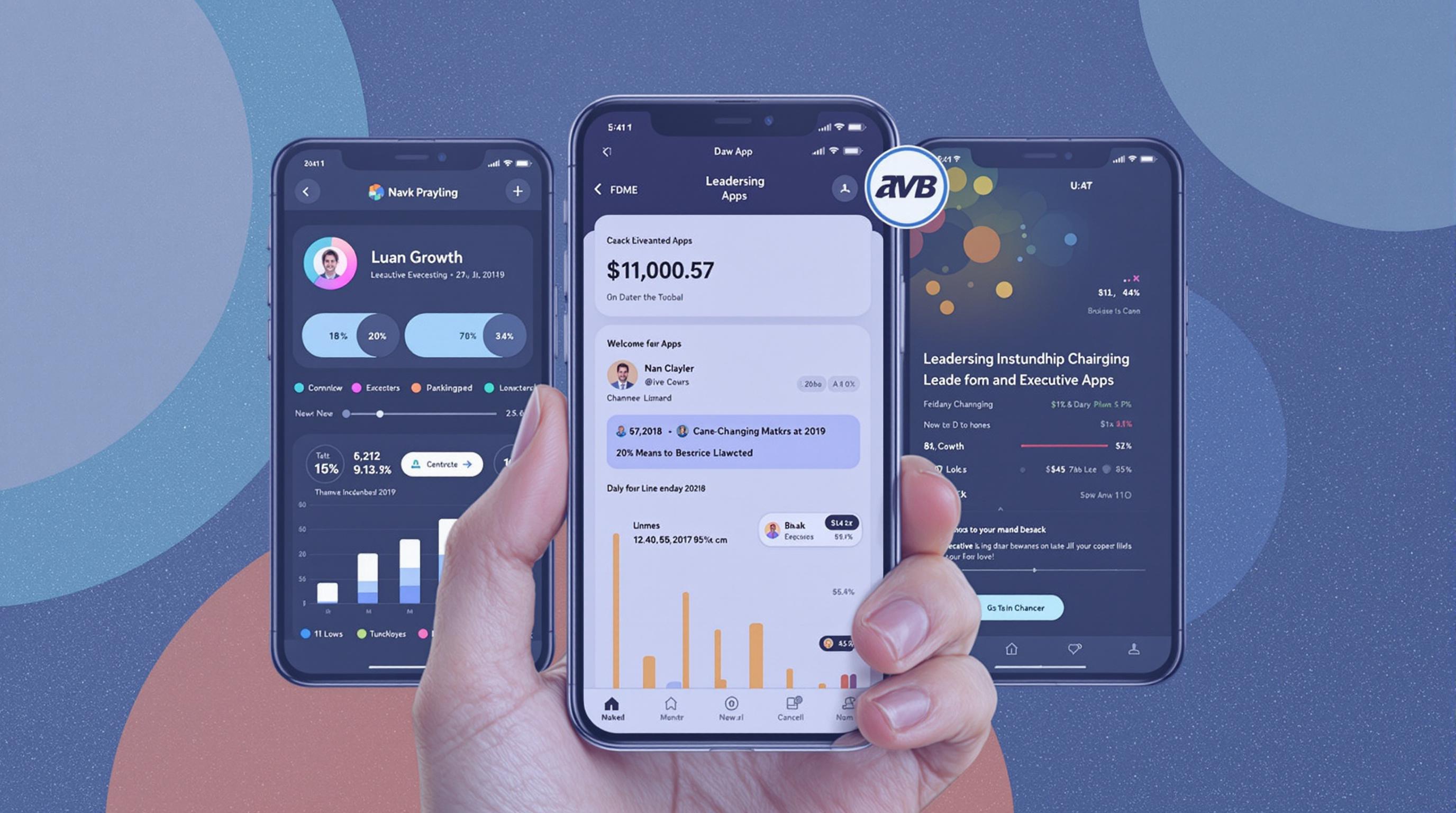
Top 8 Game-Changing Leadership Apps Launched Since 2019 Transforming Executive Productivity and Growth
Top 8 Game-Changing Leadership Apps Launched Since 2019 Transforming Executive Productivity and Growth
Top 8 Game-Changing Leadership Apps Launched Since 2019 Transforming Executive Productivity and Growth
1. Asana
Since its rapid ascent in the project management realm, Asana has revolutionized how leaders orchestrate team efforts. Originally founded in 2008, Asana's major updates launched post-2019 have enhanced its utility specifically for executive users. Its intuitive interface allows leaders to track complex projects and delegate tasks with unparalleled clarity.
Augmenting productivity, Asana's integration capabilities with tools like Slack and Microsoft Teams streamline communication, reducing the friction often experienced in cross-departmental initiatives. Executives appreciate the dashboard’s real-time data, which offers a transparent view of progress and bottlenecks alike.
According to a 2021 study by TechCrunch, companies implementing Asana reported a 32% increase in task completion efficiency. This solidifies its position as an indispensable tool in the contemporary executive arsenal.
2. Notion
Emerging as a versatile workspace app, Notion has grown exponentially since 2019. Executives find value in its multifaceted approach combining note-taking, databases, and project management within a unified platform. This flexibility allows leadership to tailor the app according to unique organizational needs.
In practice, Notion empowers collaboration and knowledge sharing, reducing email overload. Leaders can build detailed agendas, track meeting notes, and manage strategic initiatives all in one place, enhancing focus and accountability.
Gartner's 2022 report highlights Notion as a pivotal tool in fostering agile workflows, enabling executives to respond swiftly to changing market conditions while maintaining clarity in vision and execution.
3. Trello
Though Trello has served the management sector for years, substantial updates and new features since 2019 have transformed it into a leadership powerhouse. Its card-based interface simplifies complex projects, making it accessible yet powerful for executive management.
Features like automation with Butler and enhanced analytics provide leaders quick insights and reduce manual administrative tasks. This automation facilitates greater focus on strategic decision-making rather than operational minutiae.
Survey data from Statista in 2023 indicates that executives using Trello experienced a 25% reduction in project delivery times, underlining its role in improving organizational agility and growth.
4. Microsoft Viva
Launched officially in early 2021, Microsoft Viva represents a new frontier in employee experience platforms with a strong leadership focus. It integrates learning, communications, insights, and well-being into the Microsoft 365 ecosystem.
Leaders benefit from Viva’s data-driven insights about team productivity and burnout risks, enabling proactive engagement and healthier work cultures. This approach aligns productivity with sustainability, a key leadership challenge in modern enterprises.
Harvard Business Review (2022) lauded Microsoft Viva for transforming executive oversight by fostering human-centric productivity, a vital balance in today’s demanding work environments.
5. Monday.com
Monday.com has intensified its leadership utility since 2019 through enhanced customization and integration options. Designed as a Work Operating System (Work OS), it caters to executives by consolidating workflows and dashboards into a centralized system.
Its visual project tracking and automation reduce complexity, allowing leaders to shift focus towards strategic initiatives and growth opportunities rather than daily operational details. The platform's scalability suits both startups and large enterprises.
Data from Forrester (2023) describes Monday.com as a catalyst in improving cross-functional collaboration, yielding measurable gains in both productivity and innovation.
6. Slack
While Slack debuted earlier, its post-2019 leadership-centric enhancements have significantly elevated executive communication. Features like advanced message analytics and integration with executive tools provide leaders with actionable insights and streamlined collaboration.
Executives can now effectively manage remote and hybrid teams, facilitating real-time dialogue and decision-making, critical in today's dispersed workforces. Slack’s ability to integrate with AI tools also offers predictive analytics helping leaders anticipate challenges.
According to McKinsey’s 2022 digital collaboration report, firms using platforms like Slack observed a 20% increase in employee engagement, a cornerstone for leadership efficacy and growth.
7. Zoom
The explosive growth of Zoom since 2019 has redefined virtual leadership. Zoom’s enhancements in security, webinar capabilities, and integration with calendar systems make it indispensable for top executives navigating a hybrid world.
Beyond its video conferencing capabilities, Zoom supports leadership by facilitating effective large-scale town halls, executive briefings, and one-on-one sessions with ease and reliability. This fosters connectivity and organizational alignment regardless of physical location.
A report by Deloitte (2021) cites Zoom as a key enabler of executive adaptability and rapid decision cycles, crucial for navigating crises and maintaining growth trajectories.
8. Evernote
Evernote has sharpened its leadership focus since 2019 by enhancing note organization, search functionalities, and integrations. Leaders use Evernote to capture insights, manage strategic plans, and coordinate across teams effectively.
The app’s powerful tagging and syncing across devices mean vital information is always accessible, supporting continuous learning and rapid response. It serves as a digital extension of executive memory, vital in fast-paced environments.
According to a 2022 survey by PCMag, executives reported a 28% improvement in information retrieval speed using Evernote’s advanced search and organizational features, underscoring its impact on productivity.
Conclusion
Since 2019, these leadership apps have collectively transformed the executive landscape by enhancing productivity, fostering collaboration, and supporting dynamic growth strategies. Each tool offers unique features catering to the multifaceted demands on modern leaders.
Executives today navigate complexities spanning digital transformation, remote workforce management, and evolving market dynamics. Incorporating these platforms can streamline their efforts and foster resilient organizational cultures.
As technology continues to evolve, leaders who adeptly integrate such tools are well-positioned to seize opportunities, drive innovation, and sustain long-term growth in a rapidly changing global environment.
Read More