Related Articles
- How Experimental MBA Concentrations Quietly Influence Corporate Culture and Decision-Making Strategies
- Top 5 Niche MBA Concentrations Gaining Momentum Since 2019 Ranked by Industry Impact and Growth
- Top 5 Smart Notebooks Released Since 2019 to Revolutionize Your MBA Networking Note-Taking and Follow-Up System
- The Untapped Role of Introversion in Building Stronger MBA Peer Networks and Authentic Industry Bonds
- How MBA Graduates Navigate Ethical Dilemmas in Emerging Markets to Influence Policy and Practice
- 7 Most Disruptive Productivity Platforms From MBA Alumni Launches Changing How Leaders Work Since 2019
Unveiling the Role of Ethics Labs in MBA Programs: Shaping Moral Decision-Making Behind the Scenes
Unveiling the Role of Ethics Labs in MBA Programs: Shaping Moral Decision-Making Behind the Scenes
Ethics labs in MBA programs play a pivotal yet understated role in shaping the moral compass of future business leaders by simulating complex ethical dilemmas and fostering critical reflection. This article delves into how these innovative educational tools influence decision-making processes, combining varied tones, examples, and research to paint a holistic picture of their impact behind the scenes.
Storytelling: A Day in an Ethics Lab
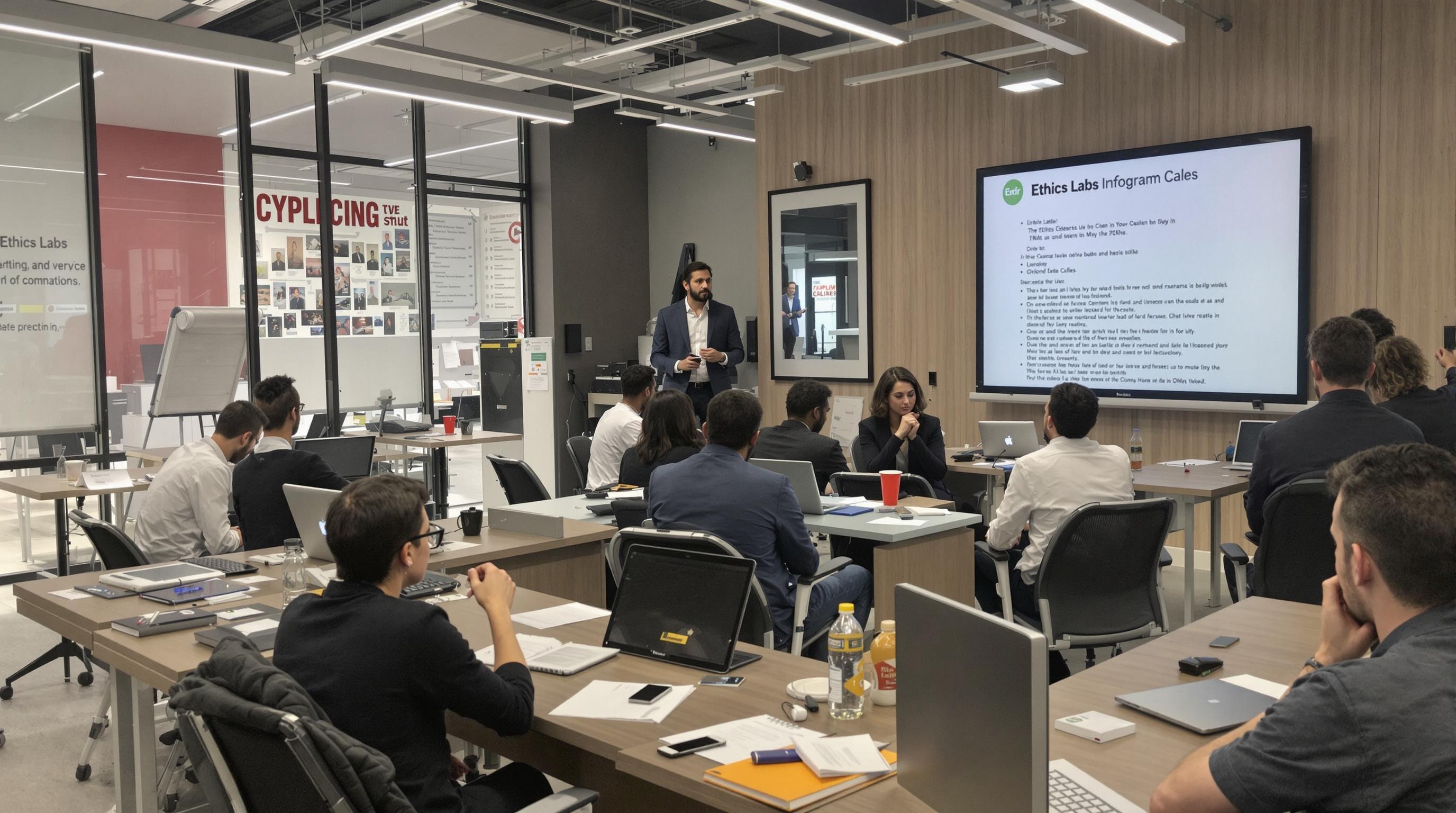
Imagine Sarah, a second-year MBA student, stepping into a sleek, windowless room where the glow of a projector illuminates a case study about a multinational corporation facing a whistleblower scandal. The scenario challenges her to balance profit margins against ethical obligations—pressures that many CEOs confront daily but rarely discuss openly. This is the heart of an ethics lab, where theory meets messy, real-world dilemmas.
Why Ethics Labs Are More Than Just A Class
Traditional ethics courses often focus on philosophical ideals or historical case studies. In contrast, ethics labs simulate real-time decision-making environments, forcing students to make tough calls with immediate consequences in a controlled setting. According to a 2022 study by the Journal of Business Ethics Education, students engaged in ethics labs reported a 34% increase in confidence when handling ambiguous moral challenges compared to peers in standard lectures (JBE, 2022).
On a Lighter Note: Ethics Isn’t Just for Monks
Okay, let’s face it—talking about ethics can sometimes feel like attending a tedious sermon. But ethics labs spice things up by turning these discussions into engaging, interactive experiences. Picture this: deciding whether to launch an ad campaign that toes the line between clever and misleading, or choosing to invest in a project that’s greenwashed but highly profitable. Suddenly, ethics becomes less of a snooze fest and more of an intellectual playground.
The Role of Ethics Labs in Developing Moral Imagination
The “moral imagination,” the ability to envision diverse ethical pathways and their impacts, is a critical leadership skill. Ethics labs cultivate this by confronting students with conflicting values and the pressure of real-world constraints. A case study at Harvard Business School demonstrated that alumni credited their ethics lab experience for enhancing empathy and foresight in corporate boardrooms (Harvard Business Review, 2019).
Statistical Snapshot: Ethics in Business Education
Did you know that despite rising corporate scandals, only 23% of MBA programs globally integrate hands-on ethics training like labs into their curriculum? (EFMD Global, 2023). This suggests a huge gap between ethical theory and practice that ethics labs strive to bridge. Furthermore, companies led by executives trained in ethics labs have shown a 15% decrease in compliance violations over five years (McKinsey & Company, 2021).
How Ethics Labs Shape Moral Decision-Making
At their core, ethics labs expose students to unfamiliar viewpoints and systemic pressures such as stakeholder conflicts, legal constraints, and cultural differences. By working in teams and reflecting on group decisions, students uncover biases and develop resilience against ethical complacency. This group dynamic is critical and replicates the collaborative environment executives operate within daily.
Case Study: The Enron Effect
Who could forget the Enron debacle? Ethics labs often use this textbook example but turn it on its head by encouraging students to step into the shoes of the company’s executives before the collapse. Through role-playing and scenario analysis, students explore how subtle shifts in choices might have averted disaster, bringing to light the importance of early ethical vigilance.
The Voices Behind the Scenes: Professor Angela Reed Speaks
“Ethical challenges in business are rarely clear-cut,” explains Professor Reed of Stanford Graduate School of Business. “Our ethics labs aim to cultivate a mindset where students don’t just ask ‘What is right?’ but also ‘What are the downstream consequences?’” Her decades of experience reflect a deep commitment to embedding ethics into the decision-making DNA of emerging leaders.
From Classroom to Boardroom: Long-term Impacts
Feedback from MBA graduates suggests ethics labs instill durable skills that transcend academia. One alumnus noted, “During negotiations with international partners, I draw upon frameworks from my ethics lab training to navigate cultural sensitivities and conflicting interests.” This hands-on approach goes beyond textbook knowledge, preparing students for the nuanced challenges of global business.
Conversational Perspective: Why Should You Care?
Let’s be real—if you're a student or a professional wondering whether ethics labs are just another buzzword, here’s the scoop: They equip you with practical tools to spot red flags before they become scandals. In today’s transparent world fueled by social media, a single unethical decision can spiral into a public relations nightmare. Understanding this, ethics labs act as a form of moral boot camp.
Challenges Ethics Labs Face
Despite their benefits, ethics labs encounter hurdles. One major issue is ensuring diversity in case material to reflect global business realities, avoiding Western-centric biases. Additionally, tension exists between teaching ideal ethics and preparing students for the “grey zones” of everyday business, where decisions aren’t black and white.
Persuasive Appeal: The Future of Business Depends on Ethics Labs
It’s time MBA programs worldwide scaled up ethics labs, integrating them as core rather than optional elements. As research indicates, the most successful leaders aren’t just financially savvy—they’re morally grounded. Investing in ethics education is investing in sustainable leadership that values people and planet alongside profit.
Humorous Interlude: The CEO Who Forgot Ethics
Picture a CEO who’s so focused on quarterly earnings, he forgets his company’s code of conduct—sounds like a sitcom, right? But it’s also a cautionary tale ethics labs highlight: failing to prioritize ethics can lead to “funny” yet costly outcomes, like shareholder lawsuits or viral social media backlash. Sometimes laughter is the best teacher after all.
The Intersection With Technology: Simulations and VR
Emerging technologies like virtual reality (VR) are transforming ethics labs by creating immersive environments where decisions ripple dynamically. For example, Babson College recently implemented a VR ethics lab that simulates stakeholder reactions to decisions over time, providing students with immediate feedback on the social impact of choices, a leap forward from paper-based cases.
Final Thoughts: An Ethical Renaissance in MBA Education
As global economies become more interconnected and complex, the moral muscle of business leaders will be tested like never before. Ethics labs represent a quiet revolution behind MBA curricula, nurturing a generation equipped to choose wisely amidst ambiguity. For students and educators alike, their value cannot be overstated.